
Integrating Renewable Energy into Building Design
- Ar. Midhila
- Sep 29, 2025
- 4 min read

Incorporating renewable energy into building design is no longer just an option but a necessity for modern construction. As the world shifts towards sustainable living, buildings must adapt by integrating energy solutions that reduce environmental impact and promote efficiency. This article explores practical ways to embed renewable energy into building projects, offering insights and actionable steps for architects, builders, and developers.
The Importance of Renewable Energy Design in Modern Buildings
Renewable energy design plays a crucial role in reducing carbon footprints and lowering energy costs. Buildings consume a significant portion of global energy, and integrating renewable sources like solar, wind, and geothermal can drastically cut reliance on fossil fuels.
Key benefits include:
Energy cost savings: Utilizing solar panels or wind turbines can reduce electricity bills.
Environmental impact: Lower greenhouse gas emissions contribute to combating climate change.
Energy independence: Buildings can generate their own power, reducing vulnerability to grid outages.
Increased property value: Sustainable buildings often attract higher market value and tenant interest.
For example, a commercial office building equipped with rooftop solar panels and a geothermal heating system can reduce its energy consumption by up to 50%. This not only saves money but also aligns with green building certifications such as LEED or BREEAM.
Practical Strategies for Integrating Renewable Energy Design
To successfully integrate renewable energy into building design, consider the following strategies:
1. Site Analysis and Orientation
Understanding the site’s natural resources is the first step. Analyze sun paths, wind patterns, and local climate to optimize the placement of solar panels or wind turbines.
Solar orientation: Position buildings and panels to maximize sunlight exposure, ideally facing south in the northern hemisphere.
Wind access: Identify areas with consistent wind flow for turbine installation.
Shading: Avoid shading from nearby structures or trees that could reduce solar efficiency.
2. Incorporate Solar Energy Systems
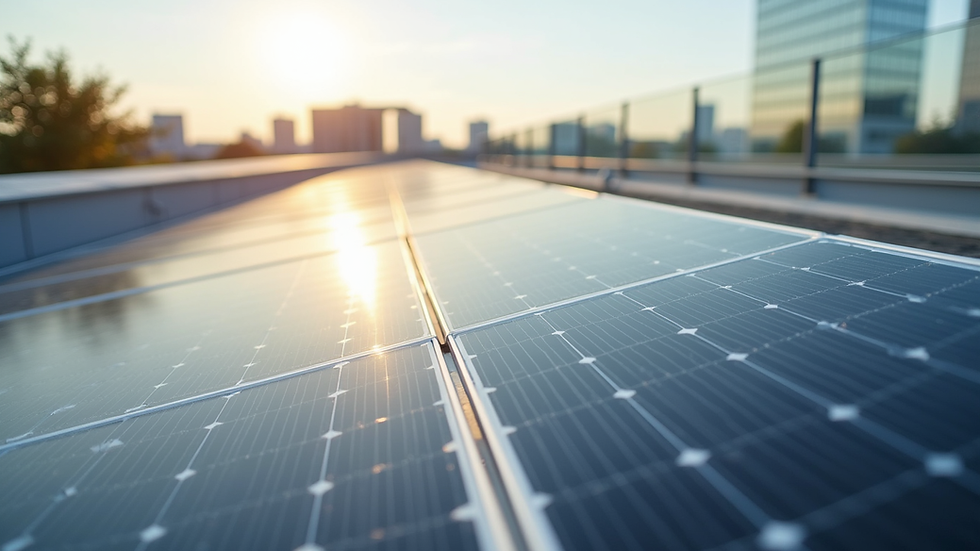
Solar photovoltaic (PV) panels are the most common renewable energy source for buildings. They can be installed on rooftops, facades, or even integrated into windows.
Building-integrated photovoltaics (BIPV): These replace conventional building materials with solar panels, maintaining aesthetics while generating power.
Solar water heating: Use solar thermal collectors to provide hot water, reducing energy consumption from traditional heaters.
3. Utilize Wind Energy
Small-scale wind turbines can supplement energy needs, especially in windy locations. They can be mounted on rooftops or nearby open spaces.
Vertical-axis turbines: Suitable for urban environments due to their compact size and ability to capture wind from any direction.
Horizontal-axis turbines: More efficient but require more space and consistent wind speeds.
4. Geothermal Heating and Cooling
Geothermal systems use the earth’s stable underground temperature to regulate building climate efficiently.
Ground-source heat pumps: Circulate fluid through underground pipes to transfer heat in or out of the building.
Energy savings: Can reduce heating and cooling costs by up to 70%.
5. Energy Storage Solutions
Integrating battery storage allows buildings to store excess energy generated during peak production times for use during low production or high demand.
Lithium-ion batteries: Common for residential and commercial use.
Thermal storage: Stores heat or cold for later use, improving HVAC efficiency.
By combining these technologies, buildings can achieve near-zero energy consumption and contribute to a cleaner environment.
What is the difference between sustainable design and regenerative design?
Understanding the distinction between sustainable and regenerative design is essential when planning energy-efficient buildings.
Sustainable design focuses on minimizing negative environmental impacts. It aims to reduce resource consumption, waste, and emissions to maintain ecological balance.
Regenerative design goes beyond sustainability by actively improving and restoring ecosystems. It seeks to create buildings that contribute positively to the environment, such as enhancing biodiversity or improving soil health.
For example, a sustainable building might use solar panels and efficient insulation to reduce energy use. In contrast, a regenerative building could incorporate green roofs that support local wildlife and manage stormwater naturally.
Both approaches are valuable, but regenerative design represents the next evolution in environmentally conscious architecture.
Overcoming Challenges in Renewable Energy Integration
While the benefits are clear, integrating renewable energy into building design comes with challenges:
Initial costs: Renewable systems can require significant upfront investment.
Technical complexity: Designing and installing integrated systems demands specialized knowledge.
Regulatory hurdles: Local codes and permits may limit certain installations.
Aesthetic concerns: Some clients worry about the visual impact of solar panels or turbines.
Solutions to these challenges include:
Incentives and grants: Many governments offer financial support for renewable energy projects.
Collaborative design: Engage engineers, architects, and renewable energy experts early in the process.
Modular systems: Use scalable technologies that can be expanded over time.
Innovative materials: Employ BIPV and other design-forward solutions to maintain aesthetics.
By addressing these issues proactively, renewable energy integration becomes more feasible and attractive.
Future Trends in Renewable Energy Design for Buildings
The future of building design is closely tied to advancements in renewable energy technologies. Some emerging trends include:
Smart energy management: IoT devices and AI optimize energy use in real-time.
Net-zero and positive energy buildings: Structures that produce as much or more energy than they consume.
Advanced materials: Transparent solar panels and energy-harvesting windows.
Community energy systems: Buildings connected to local microgrids sharing renewable energy resources.
Staying informed about these trends helps professionals design buildings that are not only efficient today but also adaptable for tomorrow’s innovations.
Integrating renewable energy into building design is a transformative step toward a sustainable future. By leveraging site-specific strategies, innovative technologies, and thoughtful planning, buildings can become powerful contributors to environmental stewardship. For those interested in exploring more about renewable energy design, numerous resources and case studies are available to guide the journey toward greener construction.


Comments