
Principles of Sustainable Design: Building a Greener Future
- Ar. Midhila
- May 13
- 4 min read

Sustainable building design is more than a trend; it is a necessity for the future of our planet. As environmental concerns grow, architects, builders, and homeowners are increasingly adopting methods that reduce the environmental impact of construction and operation. This approach not only conserves resources but also creates healthier, more efficient living and working spaces. Understanding the core principles of sustainable design can help guide decisions that benefit both people and the planet.
Understanding the Principles of Sustainable Design
Sustainable design focuses on minimizing negative environmental impacts through thoughtful planning, material selection, and energy use. It integrates ecological, economic, and social considerations to create buildings that are efficient, durable, and comfortable.
Key principles include:
Energy Efficiency: Designing buildings to use less energy through insulation, natural lighting, and efficient systems.
Water Conservation: Implementing systems to reduce water use and recycle greywater.
Material Selection: Choosing renewable, recycled, or locally sourced materials to reduce environmental footprint.
Indoor Environmental Quality: Ensuring good air quality, natural light, and thermal comfort for occupants.
Site Selection and Management: Minimizing disruption to natural habitats and optimizing building orientation for climate.
Waste Reduction: Planning construction and operation to minimize waste generation.
Lifecycle Thinking: Considering the environmental impact of a building from construction through demolition.
By applying these principles, buildings can significantly reduce their carbon footprint and resource consumption.

Energy Efficiency in Sustainable Building Design
Energy efficiency is a cornerstone of sustainable building design. Buildings consume a large portion of global energy, so reducing this demand is critical. Strategies include:
Passive Solar Design: Orienting buildings to maximize natural sunlight in winter and shade in summer.
High-Performance Insulation: Using materials that reduce heat loss or gain.
Energy-Efficient Windows: Installing double or triple-glazed windows to improve thermal performance.
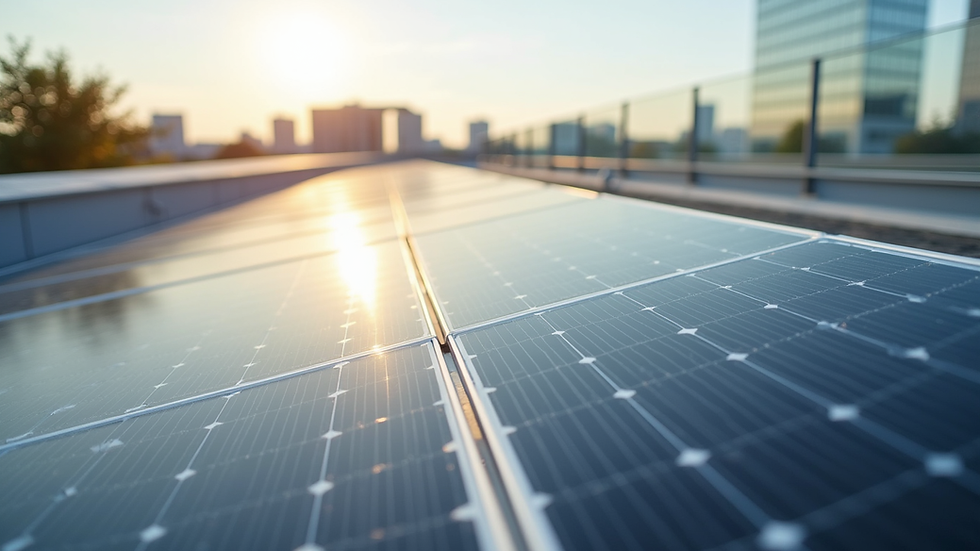
Renewable Energy Systems: Incorporating solar panels, wind turbines, or geothermal systems.
Efficient HVAC Systems: Using heating, ventilation, and air conditioning systems that consume less energy.
For example, a home designed with south-facing windows and overhangs can reduce heating and cooling needs significantly. Additionally, integrating smart thermostats and LED lighting further cuts energy consumption.
What are the 7 Principles of Sustainable Construction?
Sustainable construction follows specific guidelines to ensure environmental responsibility throughout the building process. The seven principles are:
Minimize Resource Use: Use fewer materials and select those with low environmental impact.
Maximize Energy Efficiency: Design for reduced energy consumption during construction and operation.
Protect and Enhance the Site: Preserve natural features and biodiversity.
Improve Indoor Environmental Quality: Use non-toxic materials and ensure proper ventilation.
Reduce Waste: Implement recycling and reuse strategies on-site.
Use Renewable Resources: Favor materials that can be replenished naturally.
Plan for Longevity and Adaptability: Design buildings that can be easily maintained, upgraded, or repurposed.
Applying these principles helps create buildings that are not only environmentally friendly but also economically viable and socially responsible.

Water Conservation Techniques in Sustainable Design
Water is a precious resource, and sustainable buildings aim to reduce consumption and waste. Techniques include:
Low-Flow Fixtures: Installing faucets, toilets, and showerheads that use less water.
Rainwater Harvesting: Collecting and storing rainwater for irrigation or non-potable uses.
Greywater Recycling: Reusing water from sinks and showers for flushing toilets or landscaping.
Drought-Resistant Landscaping: Using native plants that require minimal watering.
Efficient Irrigation Systems: Employing drip irrigation and smart controllers to minimize water use.
For instance, a commercial building might install a rainwater collection system that supplies water for its cooling towers, reducing municipal water demand.
Material Selection and Waste Reduction
Choosing the right materials is vital for sustainable building design. Prioritize:
Recycled Content: Materials made from recycled products reduce the need for virgin resources.
Locally Sourced Materials: Reduces transportation emissions and supports local economies.
Renewable Materials: Such as bamboo or cork, which regenerate quickly.
Non-Toxic and Low-Emission Products: To improve indoor air quality.
Waste reduction during construction can be achieved by:
Accurate Planning: Minimizing excess material orders.
Modular Construction: Prefabricated components reduce onsite waste.
Recycling Programs: Sorting and recycling construction debris.
These practices not only reduce environmental impact but can also lower costs and improve project timelines.
Enhancing Indoor Environmental Quality
A sustainable building must provide a healthy and comfortable environment for its occupants. This involves:
Natural Ventilation: Designing windows and openings to promote airflow.
Daylighting: Maximizing natural light to reduce reliance on artificial lighting.
Use of Non-Toxic Materials: Avoiding volatile organic compounds (VOCs) and allergens.
Thermal Comfort: Maintaining stable indoor temperatures through insulation and HVAC design.
Acoustic Comfort: Using soundproofing materials to reduce noise pollution.
For example, incorporating operable windows and skylights can improve air quality and reduce energy use, while selecting low-VOC paints and finishes enhances occupant health.
Building for the Future: Adaptability and Resilience
Sustainable buildings should be designed to adapt to changing needs and withstand environmental stresses. This includes:
Flexible Spaces: Rooms that can serve multiple functions over time.
Durable Materials: Resistant to wear, weather, and pests.
Climate Resilience: Features that protect against floods, storms, and heatwaves.
Smart Technologies: Systems that monitor and optimize building performance.
By planning for adaptability, buildings remain useful longer, reducing the need for demolition and new construction.
Sustainable building design is a comprehensive approach that balances environmental, economic, and social factors. By embracing these principles, we can create structures that not only meet today’s needs but also safeguard resources for future generations. Whether you are planning a new project or retrofitting an existing building, integrating these strategies will contribute to a healthier planet and improved quality of life.



Comments