
The Role of Renewable Energy in Construction
- Ar. Midhila
- May 18
- 5 min read

The construction industry is undergoing a significant transformation as it embraces sustainable practices. One of the most impactful changes is the integration of renewable energy sources into construction projects. This shift not only reduces the environmental footprint of buildings but also offers long-term economic benefits. Understanding how renewable energy fits into construction can help stakeholders make informed decisions that promote sustainability and efficiency.
The Importance of Renewable Energy in Construction
Renewable energy in construction is becoming a critical factor in reducing greenhouse gas emissions and conserving natural resources. Buildings account for a large portion of global energy consumption and carbon emissions. By incorporating renewable energy technologies, construction projects can minimize reliance on fossil fuels and contribute to a cleaner environment.
Some key reasons why renewable energy is vital in construction include:
Lower operational costs: Renewable energy systems such as solar panels and wind turbines reduce energy bills over time.
Energy independence: Buildings can generate their own power, reducing vulnerability to grid outages and price fluctuations.
Regulatory compliance: Many regions now require or incentivize the use of renewable energy in new developments.
Enhanced property value: Sustainable buildings often attract higher market demand and better resale value.
Positive environmental impact: Using clean energy reduces pollution and conserves ecosystems.
How Renewable Energy Technologies Are Used in Construction
The integration of renewable energy in construction involves several technologies and design strategies. These can be applied during the building phase or retrofitted into existing structures. Some common renewable energy solutions include:
Solar Photovoltaic (PV) Systems
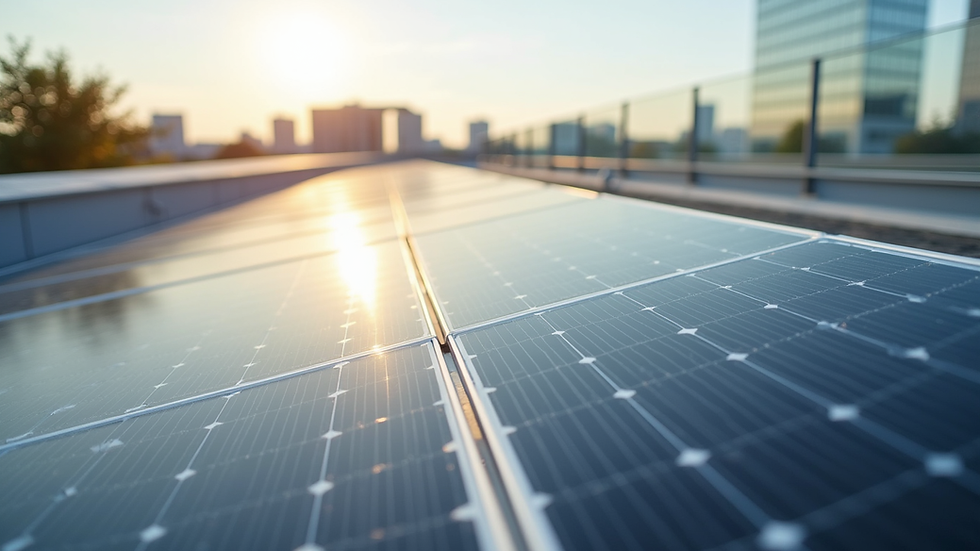
Solar panels convert sunlight into electricity, which can power lighting, appliances, and HVAC systems. They are often installed on rooftops or building facades.
Solar Thermal Systems
These systems use solar energy to heat water or air for domestic use or space heating, reducing the need for conventional heating fuels.
Wind Turbines
Small-scale wind turbines can be integrated into building designs or nearby sites to generate electricity.
Geothermal Energy
Geothermal heat pumps use the earth’s stable underground temperature to provide heating and cooling efficiently.
Biomass Energy
Biomass boilers or stoves use organic materials like wood pellets to generate heat sustainably.
Energy Storage Solutions
Batteries and other storage technologies help manage intermittent renewable energy supply, ensuring consistent power availability.
Incorporating these technologies requires careful planning, including site assessment, energy modeling, and collaboration with engineers and architects.
What is renewable energy in construction?
Renewable energy in construction refers to the use of naturally replenished energy sources to power buildings and construction activities. Unlike fossil fuels, renewable energy sources such as sunlight, wind, and geothermal heat do not deplete over time and produce little to no greenhouse gas emissions.
In the context of construction, renewable energy can be applied in multiple ways:
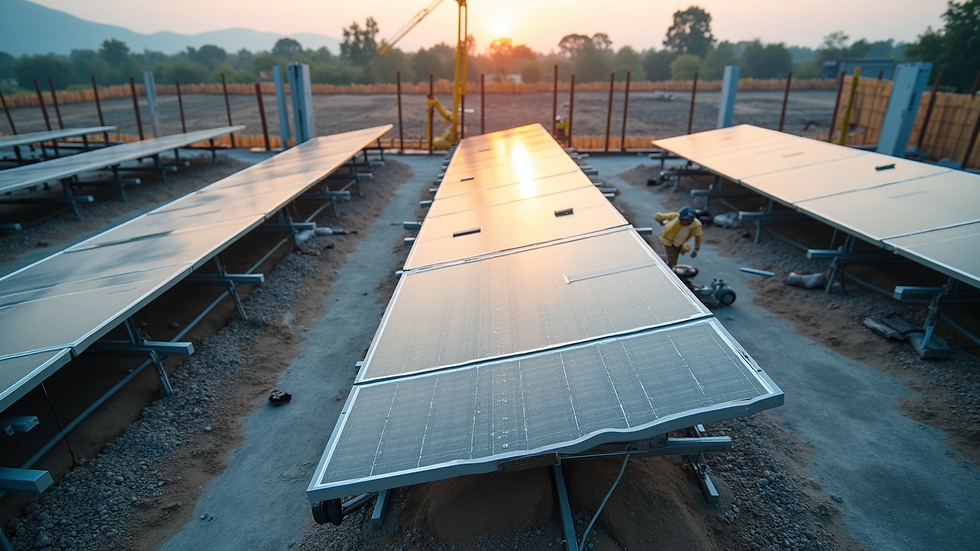
On-site energy generation: Installing solar panels or wind turbines directly on the construction site or building.
Energy-efficient design: Designing buildings to maximize natural light, ventilation, and thermal performance to reduce energy demand.
Sustainable materials: Using materials that require less energy to produce or that incorporate renewable energy in their manufacturing.
Construction equipment: Utilizing electric or hybrid machinery powered by renewable energy sources.
By integrating renewable energy, construction projects can achieve higher sustainability ratings such as LEED or BREEAM certifications, which recognize environmentally responsible building practices.
Benefits of Using Renewable Energy in Construction Projects
The adoption of renewable energy in construction offers numerous benefits beyond environmental impact. These advantages make it an attractive option for developers, contractors, and building owners:
Cost Savings Over Time
Although initial installation costs can be higher, renewable energy systems reduce utility bills and maintenance expenses in the long run.
Energy Security and Reliability
Buildings with renewable energy sources are less dependent on external power grids, which can be vulnerable to outages or price spikes.
Improved Indoor Environment Quality
Renewable energy systems often complement energy-efficient designs that enhance natural lighting and air quality.
Compliance with Regulations and Incentives
Many governments offer tax credits, grants, or rebates for renewable energy installations, making projects more financially viable.
Positive Brand Image and Marketability
Sustainable buildings appeal to environmentally conscious tenants and buyers, increasing demand and occupancy rates.
Reduction of Carbon Footprint
Using renewable energy significantly lowers the carbon emissions associated with building operations.
Practical Steps to Integrate Renewable Energy in Construction
Successfully incorporating renewable energy into construction requires a strategic approach. Here are actionable recommendations for project teams:
Conduct an Energy Audit and Feasibility Study
Assess the site’s renewable energy potential, energy needs, and budget constraints.
Collaborate with Experts
Engage architects, engineers, and renewable energy specialists early in the design phase.
Choose Appropriate Technologies
Select renewable energy systems that suit the building type, location, and climate.
Incorporate Energy-Efficient Design Principles
Optimize building orientation, insulation, and ventilation to reduce energy demand.
Plan for Energy Storage and Management
Include battery systems or smart controls to maximize renewable energy use.
Secure Permits and Incentives
Navigate local regulations and apply for available financial support.
Train Construction Teams
Ensure workers understand installation and maintenance requirements for renewable energy systems.
Monitor and Maintain Systems Post-Construction
Regular inspections and performance tracking help sustain energy savings.
By following these steps, construction projects can effectively leverage renewable energy to create sustainable, cost-effective buildings.
Future Trends in Renewable Energy and Construction
The future of renewable energy in construction looks promising, driven by technological advancements and increasing environmental awareness. Some emerging trends include:
Building-Integrated Photovoltaics (BIPV)
Solar cells are being embedded directly into building materials like windows and facades, blending aesthetics with functionality.
Smart Energy Management Systems
IoT and AI technologies optimize energy use by predicting demand and adjusting renewable energy generation accordingly.
Net-Zero and Positive Energy Buildings
New constructions aim to produce as much or more energy than they consume, achieving complete energy self-sufficiency.
Advanced Energy Storage Solutions
Innovations in battery technology and alternative storage methods will improve renewable energy reliability.
Circular Economy Practices
Using recycled materials and designing for disassembly will complement renewable energy efforts to reduce overall environmental impact.
These trends will continue to shape how renewable energy is integrated into construction, making buildings more sustainable and resilient.
Embracing Renewable Energy Construction for a Sustainable Future
The integration of renewable energy in construction is not just a trend but a necessary evolution toward sustainable development. By adopting renewable energy technologies and design strategies, the construction industry can reduce its environmental impact, lower costs, and create healthier living and working spaces.
For those involved in construction projects, understanding the benefits and practical steps to implement renewable energy is essential. Whether through solar panels, geothermal systems, or energy-efficient designs, renewable energy construction offers a pathway to a cleaner, more sustainable built environment.
Explore more about renewable energy construction to discover how your next project can contribute to a greener future.


Comments