
Solar Radiation Mitigation into Buildings
- Ar. Midhila
- Apr 22
- 4 min read

Solar radiation can cause buildings to overheat, increase energy costs, and reduce indoor comfort. Managing this heat gain is essential for creating energy-efficient and comfortable living and working spaces. This article explores practical ways to reduce solar radiation entering buildings, focusing on effective materials and technologies that help control heat without sacrificing natural light.

Understanding Solar Radiation and Its Impact on Buildings
Solar radiation is the energy emitted by the sun, which includes visible light, ultraviolet (UV), and infrared (IR) rays. When this radiation hits a building, it can cause the interior to heat up, especially through windows and poorly insulated walls. This heat gain leads to higher cooling demands, increasing electricity use and costs.
Buildings without proper solar control can experience:
Uncomfortable indoor temperatures
Fading of furniture and flooring due to UV exposure
Increased use of air conditioning, raising energy bills
Greater environmental impact from higher energy consumption
Controlling solar radiation is not just about comfort; it also plays a key role in reducing a building’s carbon footprint.
Common Methods to Mitigate Solar Radiation
Several strategies help reduce solar heat gain in buildings. These include architectural design choices, materials, and technologies that block or reflect sunlight.
1. External Shading Devices
External shading, such as awnings, louvers, and shutters, blocks sunlight before it reaches windows. These devices are effective because they prevent heat from entering while still allowing natural light.
2. Window Films and Coatings
Special films and coatings applied to glass can reflect or absorb solar radiation. These treatments reduce heat gain without significantly darkening the interior.
3. High-Performance Glazing
Windows with double or triple glazing and low-emissivity (Low-E) coatings improve insulation and reduce solar heat transfer.
4. Vegetation and Green Walls
Plants and green walls provide natural shading and cooling through evapotranspiration, lowering surrounding temperatures.
5. Reflective Roofs and Walls
Light-colored or reflective surfaces bounce solar radiation away, reducing heat absorption.
Products That Help Control Solar Radiation
Among the many solutions available, some products stand out for their effectiveness and ease of integration into existing buildings.
Solar Control Window Films
One practical option is solar control window films. These films are thin layers applied directly to glass surfaces. They reduce heat by reflecting infrared rays and blocking UV light.
For example, the SolarGuard Window Film offers excellent heat rejection while maintaining clear views. It helps lower indoor temperatures and protects interiors from fading.
External Solar Shading Systems
Another effective product is the SunBlocker External Shading System. This system includes adjustable louvers that can be positioned to block direct sunlight during peak hours. It allows for ventilation and daylight control, improving comfort without sacrificing natural light.
Reflective Roof Coatings
Reflective roof coatings like CoolRoof Pro reflect a large portion of solar radiation, reducing roof surface temperatures by up to 30%. This lowers heat transfer into the building and cuts cooling costs.
How to Choose the Right Solar Radiation Mitigation Solution
Selecting the best method depends on several factors:
Building orientation: South and west-facing windows receive the most sunlight and may need stronger shading.
Climate: Hotter climates benefit more from reflective and shading solutions.
Building use: Offices, homes, and commercial spaces have different lighting and comfort needs.
Budget: Some solutions require upfront investment but save money over time.
Combining multiple strategies often yields the best results. For example, using solar control window films with external shading can significantly reduce heat gain.
Benefits of Effective Solar Radiation Control
Proper solar radiation mitigation offers many advantages:
Lower energy bills due to reduced cooling needs
Improved indoor comfort and productivity
Protection of furniture and finishes from UV damage
Reduced environmental impact through energy savings
Enhanced building value and appeal
Installation and Maintenance Tips
To maximize benefits, consider these tips:
Hire professionals for installation to ensure proper fit and performance.
Regularly clean shading devices and window films to maintain effectiveness.
Inspect coatings and films for damage and replace as needed.
Adjust external shading seasonally to optimize sunlight control.
Future Trends in Solar Radiation Mitigation
New technologies continue to emerge, such as smart glass that changes tint based on sunlight intensity. These innovations promise even better control with less manual effort.
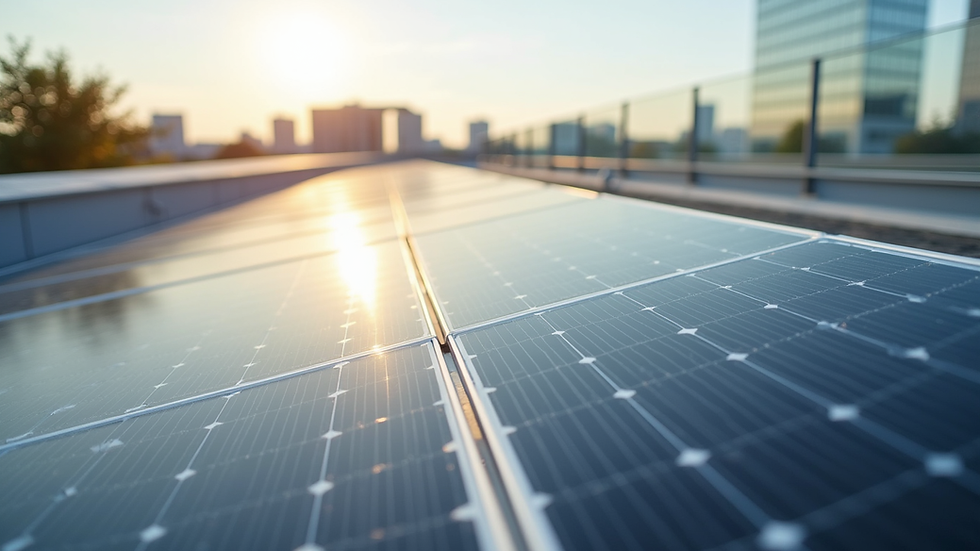
Integrating solar radiation mitigation with renewable energy systems, like solar panels, can further improve building sustainability.

Summary
Managing solar radiation in buildings is essential for comfort, energy savings, and sustainability. Using products like solar control window films, external shading systems, and reflective roof coatings can significantly reduce heat gain. Choosing the right combination depends on building specifics and climate.
Taking steps to control solar radiation helps create healthier, more comfortable spaces while lowering energy costs. Consider these solutions to improve your building’s performance and reduce its environmental impact.

Explore options like SolarGuard Window Film, SunBlocker External Shading System, and CoolRoof Pro to find the best fit for your building’s needs.


Comments